

Hormone Pellet Therapy for Men in New Braunfels, TX: Low Energy, Libido, and Follow-Up Labs
Symptoms of testosterone deficiency can include persistent fatigue, low energy levels, changes in muscle mass, or loss of libido. However, these symptoms may be a result of other underlying conditions as well. The first step in managing testosterone deficiency is to confirm whether it truly exists.
According to new guidelines by the Endocrine Society, men qualifying for a testosterone deficiency diagnosis should exhibit both symptoms and low testosterone levels that should be accurately assessed by repeated measurement, preferably early in the morning, to enable a physician to arrive at the final clinical decision. At StrIVe IV & Wellness, we offer hormone pellet therapy for men in New Braunfels, TX, using EvexiPEL® hormone pellets which steadily release hormone throughout the day without requiring multiple doses.
When Low Energy and Low Libido Start Affecting Daily Life
Fatigue and low libido can have an impact on exercise, job, relationships, and general well-being. While it is likely that these problems are the result of low testosterone levels, such symptoms can also arise from sleep disorders, obesity, use of medications, chronic illnesses, and other conditions.
The evaluation should take into account more than just the symptoms. A patient’s medical history and medication usage, sleep patterns and sexual health, physical examinations, and laboratory tests need to be analyzed in order to determine whether he needs men’s HRT or a different kind of therapy.
Why Symptoms Alone Should Not Decide Hormone Pellet Therapy
Fatigue or low libido doesn’t always mean testosterone deficiency. The Endocrine Society strongly advises confirming testosterone deficiency with testosterone measurements that are consistently low. Furthermore, the American Urological Association (AUA) states that testing of testosterone levels needs to be performed twice in the morning in order to reach a clear diagnostic conclusion.
It can be seen that this difference in recommended procedures can prevent unnecessary treatment. If testosterone is not consistently low, clinical attention may shift to conditions such as sleep, weight, medications, metabolic health, or other possible factors influencing fatigue or low libido.
The First Decision Point: Do Labs Support a Hormone Problem?
While men may experience symptoms such as fatigue, low energy, or low libido, it is not possible to diagnose testosterone deficiency based only on the symptoms. Levels of testosterone vary from one moment to the next or by time of day; thus, tests are recommended to confirm deficiency only on the basis of two tests done early in the morning instead of making a clinical decision based on one result.
If the evaluation of the total testosterone level shows values below 300 ng/dL with certain symptoms being present, this result could indicate testosterone deficiency. Tests such as LH, FSH, and free testosterone can additionally help to identify the reasons for the deficiency if it turns out to be true and also determine whether men’s HRT is appropriate.
What Baseline Labs Help Clarify Before Men’s HRT
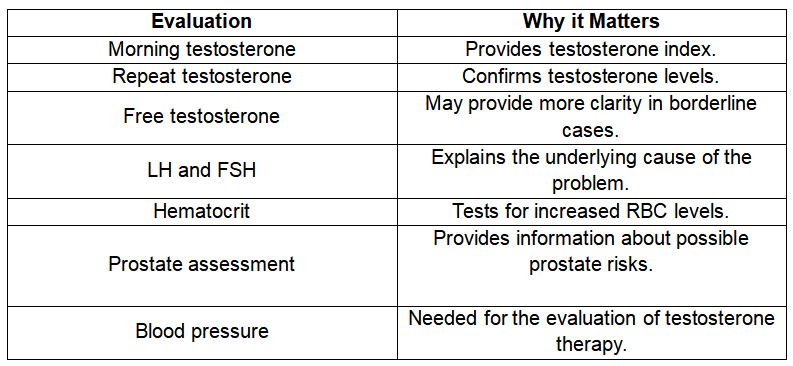
Typically, baseline testing entails checking for total testosterone levels in the morning. If the doctor feels it is necessary, free testosterone, LH, and FSH can be used in order to see if the problem is originating in either the testes or the pituitary-hypothalamic system.
Safety evaluation may also include checking the hematocrit levels and performing a prostate assessment depending on the patient’s age, symptoms, and risk factors. Besides, testosterone is known to increase red blood cell production, which is why the FDA prescribes that the use of testosterone requires a physician’s attention to blood pressure.
When Hormone Pellet Therapy May Be Considered for Men
Over time, hormone pellet therapy for men became known as an appropriate solution only in cases when the symptoms as well as laboratory tests point to a deficiency of testosterone and when there are no reasons why testosterone therapy won’t be appropriate. The therapy applied should be for an existing medical condition, not simply for the normal decline in testosterone that comes with aging.
At StrIVe IV & Wellness, we provide EvexiPEL® hormone pellet therapy for men in a complete package that includes doctor evaluation, checking laboratory results, initial insertion of the pellet, and follow-up insertion if needed.
Why Hormone Pellets Are Different From Quick-Change Hormone Options
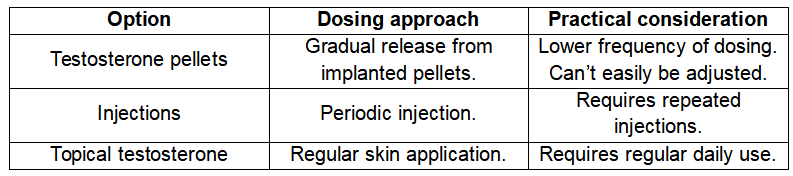
Testosterone pellets are implanted in the body and slowly dispense testosterone. This method is not like injections, which are given repeatedly, or topical testosterone, which is continuously applied. Our pellet method allows for low-maintenance treatment with fewer dosing appointments.
However, the disadvantage of this method is lack of flexibility since once implanted, dosage cannot be changed quickly as would be the case with topical medicine or injection. Therefore, initial dosage is very important.
Who May Need a Different Plan Before Starting Testosterone Pellets
Before taking testosterone, men wanting to have children should discuss fertility with their physician since taking exogenous testosterone replaces natural testosterone and may inhibit sperm production. Other medical factors that may influence testosterone treatment include various prostate problems, elevated hematocrit, untreated severe sleep apnea, recent cardiovascular events, and other related conditions.
The goal is not to increase testosterone but to assess whether testosterone therapy is appropriate, what may be causing the deficiency, and whether there’s a safer and better alternative treatment.
Follow-Up Labs Are the Checkpoint, Not an Extra Step
Following up with patients assists in determining if treatment is effective and if any safety issues are arising. According to the Endocrine Society, evaluation of therapeutic response, adverse effects, and adherence to treatment should start once therapy begins and be performed carefully along with necessary laboratory tests and prostate monitoring.
Monitoring blood pressure is also important, as the FDA added to its instructions concerning the use of testosterone products that they could increase blood pressure. Thus, monitoring involves doing more than checking for improvement.
What Men Should Track Between Pellet Visits
Track changes in fatigue, low libido, sexual function, sleep, ability to exercise, mood, and other symptoms. This information can be helpful to your doctor in interpreting the results of tests and determining whether he or she should keep you on the treatment protocol.
Be sure to inform your doctor of any recent significant symptoms instead of waiting for the next scheduled appointment. Testosterone therapy requires proper and regular monitoring of all benefits and disadvantages of the treatment.
Men’s Hormone Pellet Therapy Consultation at StrIVe IV and Wellness in New Braunfels, TX
At StrIVe IV & Wellness, we provide broader wellness and aesthetic services, allowing hormone concerns to be considered within a wider health and wellness discussion. We leverage Jeffrey’s more than 25 years of clinical experience to achieve outstanding results. For men considering hormone pellet therapy for men in New Braunfels, TX, we focus on whether symptoms, laboratory findings, medical history, and treatment goals support testosterone therapy.
Book an online appointment, call (830) 730-0279, or visit us at 1260 River Acres Drive, New Braunfels, TX 78130 to learn more.
FAQs
Can hormone pellet therapy help men with low energy?
The therapy could be helpful in cases where the fatigue is due to the confirmed testosterone deficiency. Low energy does not confirm the diagnosis on its own.
Can low libido be a sign of low testosterone?
Indeed. Low libido is an established symptom; however, it could stem from a number of other reasons. Thus, testing has to be done to establish if it’s causing the testosterone deficiency.
Do I need labs before testosterone pellets?
Yes. Repeat morning testing has to be performed, as the presence of low testosterone has to be established before starting treatment.
What labs are checked before men’s hormone therapy?
Commonly tested indicators include morning testosterone levels. Along with that, free testosterone levels, LH, FSH, hematocrit, and prostate checks could also be carried out, depending on the situation.
How are testosterone pellets different from injections or creams?
Pellets ensure continuous testosterone release after insertion, while injections are given at various time points, and creams need to be applied several times during the day.
Are testosterone pellets adjustable after they are placed?
Not quickly. Once this pellet is placed, it starts releasing the hormone immediately. Therefore, it is necessary to have careful preparations before the pellet insertion and also to ensure patient monitoring afterward.
How often are follow-up labs needed after hormone pellets?
There’s no common schedule for all patients. The timing for the blood tests will depend on the types of medication used, blood test results, patients’ symptoms, and safety considerations.
Can testosterone therapy affect fertility?
Yes. Testosterone therapy can lower sperm production. Therefore, patients who want to become fathers need to inform their doctors about their intentions before starting the treatment.