

Laser Hair Removal for Legs in New Braunfels, TX: Razor Bumps and Fast Regrowth
If you’re tired of shaving your legs every few days because of rapid regrowth, leg razor bumps, or shaving irritation, it may be time to consider laser hair removal for longer-term hair reduction results. When you shave your leg hairs, you’re cutting the hair off at skin level, while the laser procedure works at the level of the follicle to decrease hair regrowth.
People seeking laser hair removal for legs must be aware that leg hair alone doesn’t determine whether the procedure can be performed. The patient’s hair color and thickness, skin tone, area being treated, hair growth cycle, recent tanning, current medications, and previous skin issues can all play a role in planning the treatment and providing safe results. A professional consultation can help to determine whether laser hair removal is a suitable option.
When Shaving Your Legs Stops Feeling Worth the Effort
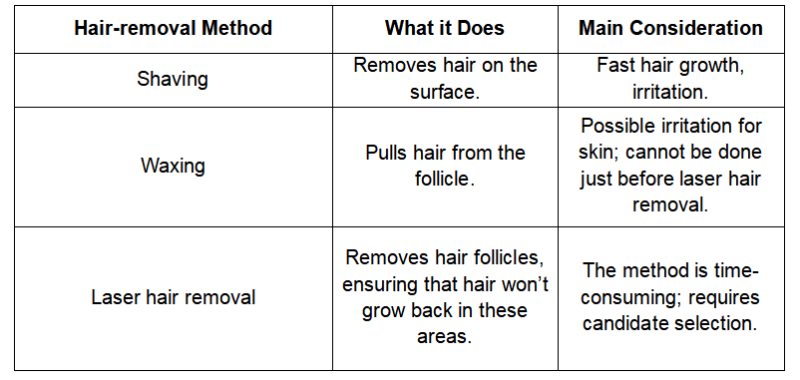
Shaving may be convenient, but its results do not last for a long time. The reason for this is that the razor cuts hair above the skin surface. As a result, people with fast-growing hair may need to shave daily or every few days. In addition, shaving frequently could lead to razor burns, cuts, ingrown hairs, and dryness.
Laser hair removal for legs, on the other hand, is a more efficient method of targeting hair follicles. However, it’s a multistep approach, as many sessions of laser treatment are required to achieve long-lasting hair elimination results.
Fast Leg Hair Regrowth: Why Stubble Comes Back So Quickly
Shaving doesn't impact the hair follicle itself nor stop it from its growth cycle. It only removes the part of hair protruding from the skin; newly grown hair can then become visible as the follicle continues to develop.
On the other hand, laser treatments work based on the principle that the energy of light is absorbed by pigment in the hair; it's then converted into heat energy that will destroy the follicle. Since hair follicles are at different growth stages, multiple sessions will be necessary to target hair follicles that are still in the active phase of hair development.
Leg Razor Bumps and Shaving Irritation: What Keeps the Cycle Going
Leg razor bumps and shaving irritation can occur when there’s frequent friction, especially through close shaving or hair growing back into the skin. Shaving against the direction of hair growth or using dull blades can increase the chance of irritation.
If regular unwanted hair is to blame for these problems, then reducing future hair growth can reduce the need for frequent shaving. However, hair removal by laser is not suitable for all types of bumps; thus, persistent or unusual bumps should be checked by a provider rather than being assumed to be caused by shaving.
When Razor Bumps May Be Ingrown Hairs Instead of Simple Irritation
Razor burn usually leads to the irritation of the skin after shaving, while an ingrown hair occurs when hair curls back into the skin as it grows. Ingrown hairs can produce raised red, itchy bumps, blisters, or bumps that can get infected.
Knowing the difference is important before starting a treatment. If a bump persists and becomes too painful or develops pus, becomes inflamed, or spreads, it should be examined medically before proceeding with a cosmetic laser treatment.
How Laser Hair Removal May Help by Reducing Future Hair Growth
Laser hair removal is aimed at reducing hair growth effectively rather than simply removing the hair temporarily. According to the American Academy of Dermatology (AAD), hair may become less dense and finer following laser hair removal treatment, but several factors, including hair type and color and skin condition, may lead to different results.
For someone who suffers from leg razor bumps due to frequent shaving, this means that they may be able to use the razor less often. However, laser hair removal does not guarantee the removal of all hair, especially in the case of light-colored hair, which usually does not respond well to laser hair removal due to lack of pigmentation.
Lower Legs, Knees, Thighs, and Ankles Should Not Be Treated Like One Flat Area
When it comes to full-leg hair removal, it is important to keep in mind that the density, thickness, direction of growth, and sensitivity of the skin can differ at every area from the thighs to the knees, to the lower legs, and finally, the ankles. These variables can determine how the hair removal plan is built and what kind of results can be realistically achieved.
Treatment area, hair color, thickness, skin tone, the possible number of sessions, and the expected results are significant factors for consideration while doing laser hair removal.
Why Shaving Before Laser Matters More Than Waxing or Plucking
Shaving takes off the hair above the skin while keeping the hair roots/follicles intact. Waxing and plucking may take off the hair from the roots, which could cause problems with laser treatment. Therefore, people who want laser treatment are advised to shave rather than wax or pluck their hair and follow the guidelines given by their doctors since proper preparation is necessary.
The AAD recommends not engaging in tanning and taking care of the treated area since sunburn and other negative skin reactions might take place due to tanning. It is also important to inform your doctor about medications, recent tanning, scarring tendencies, and relevant medical history.
What Results Usually Look Like Between Leg Laser Sessions
Laser hair removal takes some time. Patients can expect to see about a 10% to 25% reduction in hair growth after their initial treatment, although most patients will require more than one treatment session. Hair regrowth can continue, but it will be less noticeable during subsequent treatments, and the hair will likely be thinner and less pigmented.
Most patients receive treatment about once every 4 – 6 weeks, but the time between treatments varies depending on the area being treated and on each individual rate of hair growth. After each treatment, some people may notice some temporary reddening or swelling of the skin in the areas treated. Sun protection will also be important.
Leg Laser Hair Removal Assessment at StrIVe IV and Wellness in New Braunfels, TX
At StrIVe IV & Wellness, laser hair removal for legs is planned based on various factors including skin type, hair color and thickness, areas to be treated, history of shaving, skin sensitivity, goals, and other variables. The right settings for the laser are needed because the procedure works on the pigment in the hair only.
You should consider getting leg laser hair removal if you face problems with recurring leg razor bumps, ingrown hairs, or shaving irritation. The goal of the procedure is to limit hair growth in the future, thus reducing the need for frequent shaving. Visit us at 1260 River Acres Drive in New Braunfels, TX 78130, or call (830) 730-0279 to get started.
FAQs
Is laser hair removal good for legs?
Laser hair removal is effective on legs; it is a popular option among individuals looking for long-term hair reduction and reduced need to shave frequently.
Can laser hair removal help leg razor bumps?
Laser hair removal can effectively treat bumps associated with repeated shaving or ingrown hairs; with fewer hairs on the legs, there will be less need for shaving.
Why does my leg hair grow back so fast after shaving?
Shaving cuts hair at the surface of the skin but does not stop hair from growing from the follicles.
Should I shave before laser hair removal for legs?
In most cases, shaving is preferred to waxing or using tweezers, as hair will still be present in the follicles after shaving. Follow your provider’s instructions.
Can I wax my legs before laser hair removal?
In general, waxing is not done before laser hair removal as there’ll be no hair left in the follicles after waxing.
How many laser hair removal sessions are needed for legs?
There’s no exact number of treatments for legs. It depends on the color and thickness of hair, the skin tone, the growth cycle, the area treated, and the type of laser used.
Can I shave between leg laser sessions?
Shaving is compatible with laser hair removal as it does not have an effect on the hair follicle. You should follow post-treatment instructions given by your doctor.
Does laser hair removal help shaving irritation?
It will lessen shaving irritation problems by reducing hair growth and the number of times you have to shave.
Can laser remove dark marks from old razor bumps?
Laser hair removal is solely intended to eliminate unwanted body hair. The dark marks left after earlier inflammation may necessitate a different treatment to eliminate pigmentation rather than hair.